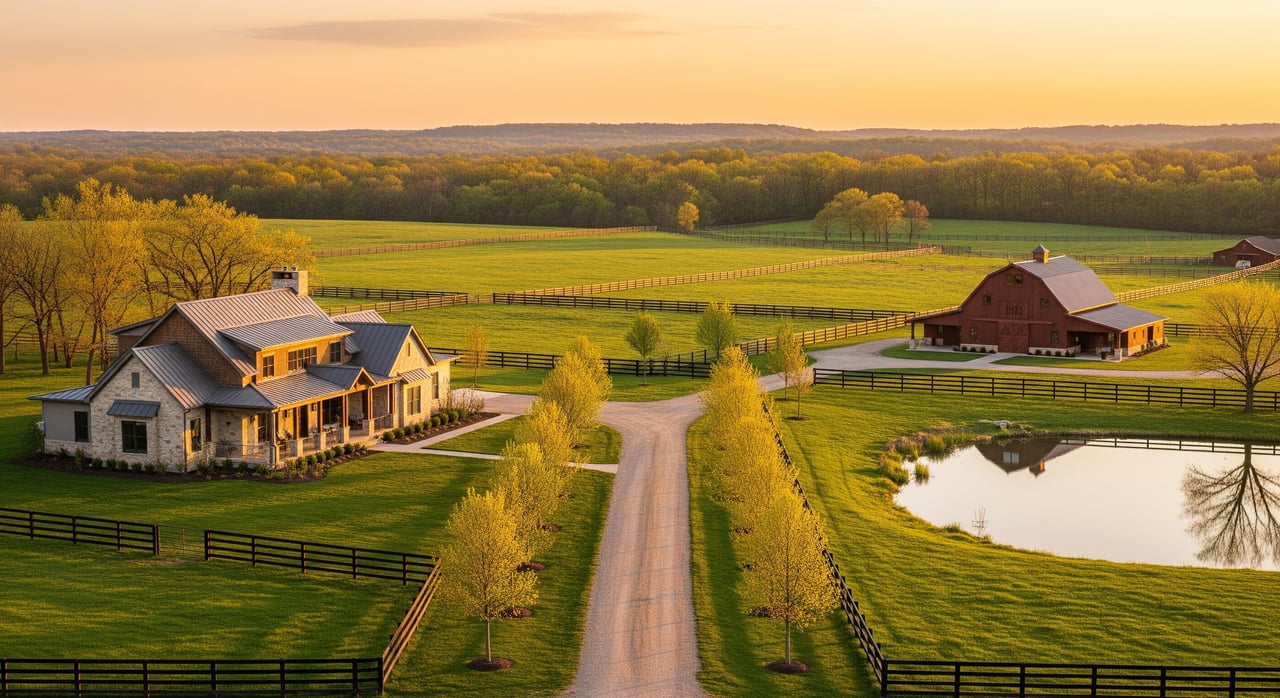
Thinking about selling acreage in Spring Hill but not sure where to start? Pricing land is different from pricing a house, and the details matter. Zoning, utilities, soils, and floodplain can swing value and time on market. This guide shows you how to price with confidence and market your land to the right buyers, with steps tailored to Spring Hill in Johnson County. Let’s dive in.
Know your jurisdiction and zoning
Before you set a price, confirm who governs your parcel. Parts of Spring Hill sit inside city limits, while others are in unincorporated Johnson County. Rules for zoning, subdivision, and utilities vary between the two. Start by checking resources from Johnson County and the City of Spring Hill to verify jurisdiction and zoning.
Why this matters for value
Zoning sets permitted uses, minimum lot sizes, and whether you can split the property. Parcels near city boundaries may attract developers if density and annexation are feasible. Inside city limits, utility extension may be possible, but costs and timelines differ from county parcels. Align your pricing with what your zoning allows today and what may be feasible next.
Map constraints and usable acres
Buyers focus on land they can realistically use. Floodplains, wetlands, steep slopes, and stream buffers reduce buildable area and add permitting steps. Pull a flood map from the FEMA Map Service Center and soil data from the NRCS Web Soil Survey to identify low-lying or hydric soils.
Net usable acres
When you price, separate total acres from net usable acres. Exclude floodplain, wet areas, and steep slopes from your pricing comps. If you are unsure, a surveyor or engineer can create a simple map highlighting usable portions. Clear visuals help buyers understand where a home, barn, or drive could go.
Confirm utilities and access
Utility availability is one of the biggest value drivers. Buyers look for water service, sewer or septic feasibility, electricity, natural gas, and broadband. Inside or near city limits, check for water and sewer line proximity and any extension policies through the City of Spring Hill. For rural sites, confirm the feasibility of a well and septic system with the Kansas Department of Health and Environment and Johnson County environmental departments.
- Access and frontage: Paved frontage and legal access increase appeal. Long private drives or unclear easements can limit your buyer pool.
- Septic viability: A successful perc test and preliminary design reduce risk for residential buyers.
- Broadband and power: Proximity to electric and reliable internet matters for modern work and lifestyle needs.
Set a pricing range by buyer pool
Use the pricing approach that fits your most likely buyer. In Spring Hill, the buyer pool usually falls into four groups. Each values different features and will price your land through a different lens.
Residential homesite buyers
- What they value: A buildable house site, septic feasibility, water access, reasonable commute, and proximity to services.
- Pricing approach: Comparable sales of similar acreage within 5 to 12 miles, adjusted for utilities, access, and usable acres.
Hobby farmers and equestrian buyers
- What they value: Productive or well-drained soils, pasture layout, water sources, barns and fencing potential, and power for outbuildings.
- Pricing approach: Comps adjusted for soil quality, pasture versus timber mix, and existing improvements.
Developers and builders
- What they value: Lot yield, zoning or rezoning path, access to municipal water and sewer, and stormwater constraints near roads like US 169 and key arterials.
- Pricing approach: Residual land value. Estimate potential lots and values, subtract development and entitlement costs, and target a builder margin.
Investors and land speculators
- What they value: Long-term growth trends, annexation potential, tax considerations, and low carrying costs.
- Pricing approach: Blended market approach, often with a discount to current residential use that reflects hold time and risk.
Prep documents that boost value
Having core documents ready speeds up deals and supports a stronger price. Aim to assemble a data packet before you list.
- Deed and legal description, plus a recent tax statement and parcel number from Johnson County.
- Boundary survey, ideally ALTA for lender-backed deals. Add a topographic survey if you want developer interest.
- Soils and septic: An NRCS Web Soil Survey map, plus a perc test and preliminary septic design if you target residential buyers.
- Water and sewer: Well logs and performance tests, or notes on municipal water and sewer line locations and connection feasibility from the City of Spring Hill.
- Flood and wetlands: A FEMA FIRM panel extract from the FEMA Map Service Center and any wetland delineation if low areas are present.
- Easements and covenants: Copies of recorded easements or restrictions that affect use.
- Title commitment or recent title report to surface issues early.
- Photos and drone imagery with parcel boundary overlays.
- Environmental reports if you suspect contamination or legacy agricultural chemical use.
6–12 month timeline and checklist
A clear plan keeps your sale on track and reduces renegotiations.
Weeks 0 to 8: Preparation and due diligence
- Confirm city versus county jurisdiction and review zoning and annexation context using Johnson County and City of Spring Hill resources.
- Order a boundary survey and request county parcel GIS and available utility maps.
- Pull soil and flood maps from the NRCS Web Soil Survey and the FEMA Map Service Center.
- For residential marketing: Schedule a septic perc test and, if needed, a well test. Confirm permitting with the Kansas Department of Health and Environment.
- For developer marketing: Commission a topo survey and a conceptual lot yield sketch.
- Request a preliminary title report and address any obvious encumbrances.
- Schedule drone and ground photography and assemble a data packet.
Weeks 8 to 12: Listing and active marketing
- List on MLS in the land category and on key land marketplaces through your broker.
- Launch a dedicated property website or brochure with maps, drone video, and downloads.
- Share the packet with local land brokers, host broker tours, and target developer outreach.
- Engage local ag networks and equestrian groups, and consider paid social around the KC metro.
Ongoing: Negotiation and due diligence
- Provide updated surveys, permit statuses, and any requested reports.
- Coordinate buyer site access for borings, perc tests, and environmental checks.
- Keep an itemized estimate of septic, well, or municipal hookup costs to support negotiations.
Pre-closing: 30 to 90 days
- Provide any HOA or road maintenance documents if applicable.
- Confirm easement transfers and rights of way.
- Coordinate meter installs or confirm well and septic transfer documentation.
Marketing that reaches the right buyers
Your marketing should match the buyer you want. Use clear visuals, transparent data, and distribution that reaches both local and out-of-area prospects.
- Create a property website or brochure with boundary maps, soil and flood overlays, and a downloadable data packet.
- Use drone video to show topography, access routes, and likely house or barn sites.
- For developers, include a conceptual lot yield and, if appropriate, a simple pro forma.
- Leverage local networks, including K-State Research and Extension contacts and farm groups for hobby-farm audiences.
- Host open land tours and broker lunches to spotlight access, utilities, and nearby services.
What to include in your listing package
- ALTA or boundary survey and any topo data.
- Drone video with narrated highlights and labeled usable acres.
- Parcel data packet, including title exceptions and utility notes.
- Conceptual plat or sketch for development prospects.
- High-quality aerial maps with floodplain and wetland exclusions clearly marked.
Avoid common pricing mistakes
- Not confirming jurisdiction and zoning early. This can derail buyer plans and force repricing.
- Ignoring floodplain or usability. Price on net usable acres, not just total acres.
- Skipping surveys and septic tests. Missing data increases buyer risk and lowers offers.
- Overpricing based on distant comps. Adjust for utilities, access, and commute distance.
- Marketing without a data packet. Serious buyers and their lenders expect documentation.
- Sharing full pro formas publicly. For high-potential development, consider confidential outreach.
Work with a local land specialist
Spring Hill acreage sells best when you pair accurate pricing with a clear path to use. You benefit from a team that understands Johnson County zoning, annexation, septic and well rules, and what different buyers will pay. If you want a tailored plan, schedule a conversation with Nancy Kirk Matthew for a clear, market-ready strategy.
FAQs
How do I check if my Spring Hill land is in the city or county?
What is a perc test and why does it matter in Spring Hill?
- A perc test checks soil absorption for septic; passing results and a preliminary design give residential buyers confidence that a home site is buildable.
How do floodplains affect acreage value in Johnson County?
- Floodplain areas reduce usable acreage and add permitting steps, so price on net usable acres and document status with the FEMA Map Service Center.
Which documents help my acreage sell faster in Spring Hill?
- A boundary or ALTA survey, NRCS soil map, perc test results, well or utility notes, FEMA flood docs, easements, title commitment, and drone maps create buyer confidence.
How do developers price land near Spring Hill?
- Many use residual land value, estimating lots and revenues, subtracting infrastructure, entitlement, and profit to determine a land price that meets return goals.
How long does it take to sell acreage in Spring Hill?
- Timelines vary by season and buyer type, but having surveys, soils, flood data, and a strong marketing packet often shortens negotiations and due diligence.