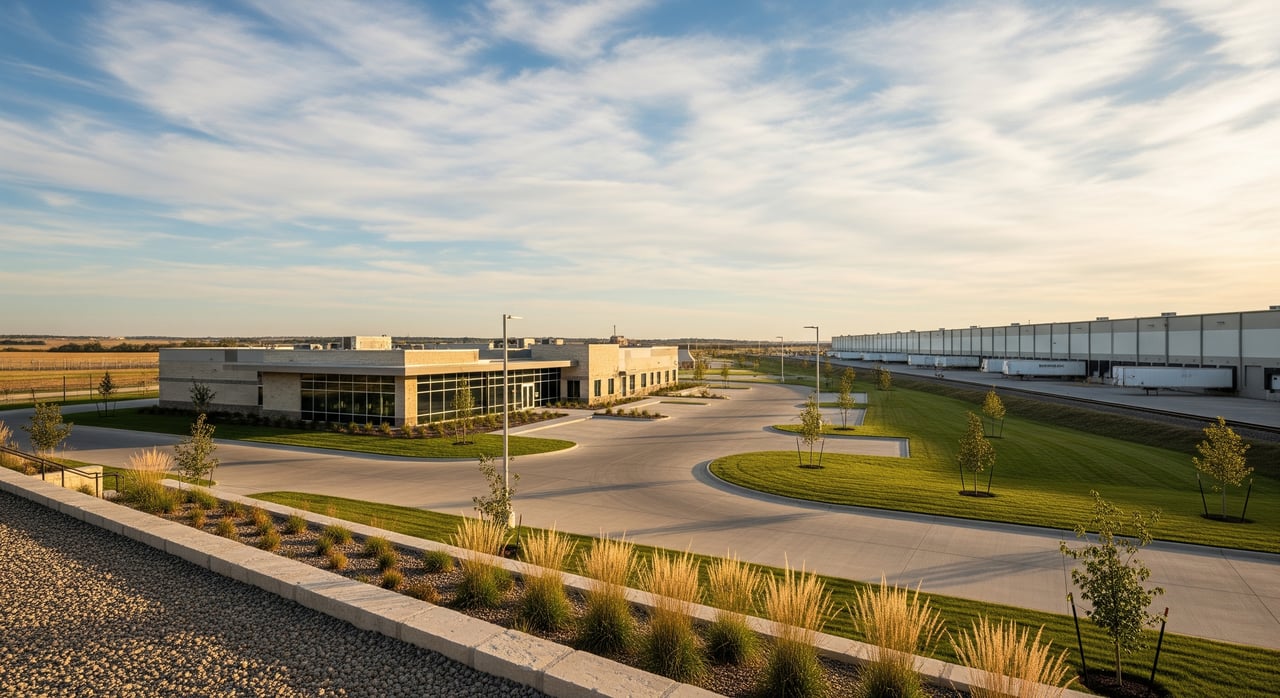
If you are eyeing land near Edgerton’s BNSF intermodal hub, you are looking at one of the Kansas City region’s most strategic logistics locations. You want to move fast, but you also want to avoid surprises. The good news is you can do both when you focus on the right due diligence and parcel features. In this guide, you will learn how proximity to the terminal and I‑35 affects value, which entitlements and utilities to verify first, and how to score sites side by side to make a confident offer. Let’s dive in.
Why the BNSF Intermodal Matters
The BNSF Logistics Park and intermodal terminal near Edgerton concentrates rail-to-truck transfer, container throughput, and logistics services. That activity drives demand for last‑mile distribution, bulk warehousing, container storage, and trucking support uses. Proximity reduces truck deadhead and turnaround times, which many users will pay for in higher rents or land pricing.
I‑35 corridor advantages
I‑35 delivers direct north–south connectivity through the Kansas City metro and ties into national interstate networks. This corridor offers multi‑modal redundancy, access to a large regional labor pool, and typically lower land costs compared with coastal markets. For distribution users that value speed to market and drayage efficiency, this combination is compelling.
How Proximity Shapes Value and Absorption
Parcels closer to the terminal and I‑35 often command a premium because they lower operating costs for logistics users. The size of that premium depends on visibility, access for trucks, usable acreage, potential rail service, and permitted uses. Premiums can shift quickly when the terminal expands or when a major tenant announces a commitment nearby.
Pricing drivers to watch
- Distance to the terminal and interstate access points
- Usable net acreage after removing floodplain, wetlands, and slopes
- Existing entitlements and whether your target use is already permitted
- Availability and capacity of water, sewer, electric, gas, and fiber
- Ability to add a rail spur if your tenant profile requires it
Absorption timelines you should plan for
Absorption depends on terminal throughput, shovel‑ready inventory, utility and stormwater capacity, and the time it takes to secure approvals. Large lots of 20 acres or more often see multi‑year lead times because of grading and access improvements. Smaller infill parcels of 5 to 20 acres can absorb faster if already zoned and served by utilities.
Site‑readiness features that add value
Modern tenants want efficient delivery. Parcels gain value when they offer:
- Entitlements in place and clear paths for permits
- Utilities at the lot line with confirmed capacity
- Stormwater solutions, either regional detention access or space for onsite ponds
- Favorable grades and soils that reduce cut, fill, or special foundations
- Defined access points with right‑of‑way secured and a plan for turn lanes if required
Zoning and Entitlements in Edgerton
Zoning controls your timeline and your tenant options. Before you price or write an LOI, confirm the current zoning and how it treats your proposed use. Zoning nomenclature and allowed uses can change, so request interpretations from City planning staff when anything is borderline.
Zoning basics to confirm
- Current zoning district and any overlay or Planned Development conditions
- Permitted uses, such as distribution, light or heavy manufacturing, outdoor storage, or truck terminals
- Setbacks, height limits, maximum impervious cover, and screening requirements
- Special rules for rail‑adjacent parcels, including clearances and buffers
Core permits and approvals
Expect a mix of local, transportation, and environmental approvals. Typical items include:
- Local: site plan approval, grading and building permits, and any conditional use permits
- Transportation: KDOT access permits for driveways near state highways, county road access, and potential signalization or turn lane requirements
- Environmental: construction stormwater permits, post‑construction stormwater management, and state water quality rules; coordinate with KDHE when wastewater solutions are needed
- Rail interface: coordination with BNSF for spurs, right‑of‑way, and rail crossing permits
Incentives and planning documents
Review the City of Edgerton Comprehensive Plan and local economic development strategies to find priority growth areas and planned infrastructure. Johnson County and the Kansas Department of Commerce may offer incentives for qualifying projects, such as abatements or workforce programs. Verify eligibility and process with the county and state.
Utilities and Access: What to Verify
Utility capacity and truck access can make or break timelines. Do not rely on assumptions. Get letters and maps that spell out what is at your site and what it will take to upgrade.
Utility capacity letters and specifics
- Electricity: confirm service area, distribution capacity, and substation constraints; request a load or service availability letter with cost and timing for upgrades
- Natural gas: verify line size, pressure, and spare capacity for HVAC or process heat
- Water and sewer: check for availability at the property line and the nearest connection point; confirm treatment plant capacity and whether a sewer main extension or lift station is likely
- Broadband/fiber: identify carriers and redundancy; logistics users expect reliable, high‑bandwidth connections and low latency
- Rail and spurs: engage BNSF early to understand standards, rights, insurance, and operating rules if a spur is part of your plan
Transportation and truck access
Map designated truck routes and any weight or dimension limits on county roads or bridges. Understand intersection capacity, turn‑lane needs, and potential signalization. If an at‑grade crossing is nearby, check train frequency and typical block times and budget for safety improvements as required.
A Practical Acquisition Checklist
Use a disciplined process to prevent surprises and keep your pro forma intact. Start with environmental and physical conditions, then layer in entitlements, utilities, and market assumptions.
Environmental and technical must‑haves
- Phase I Environmental Site Assessment to identify recognized environmental conditions
- Phase II ESA if sampling is needed based on Phase I findings
- Wetlands delineation and jurisdictional review when applicable
- Floodplain and FEMA map check for special flood hazard areas
- Geotechnical borings to assess bearing capacity, groundwater, and soil behavior
- Preliminary drainage and stormwater analysis to confirm feasible detention
Entitlement timing and utilities
- Zoning confirmation and any rezoning or Planned Development process with public hearing timelines
- Written estimates for utility extensions and upgrade lead times
- Road and access permits with KDOT and Johnson County, including schedules for turn lanes, signals, or bridge approvals
Market and financial diligence
- Comparable land pricing by zoning, acreage, and pad‑ready status
- Regional rents, vacancy, and absorption expectations for warehouse and distribution
- Total development cost, including grading, erosion control, utility extensions, offsite roadwork, and a realistic contingency
- Sensitivity testing for trucking costs, tenant credit, and downtime
Scoring matrix to compare parcels
Score each site so you can compare apples to apples:
- Distance to the BNSF intermodal in miles or drive minutes
- Distance to I‑35 and the nearest interchange
- Usable net acreage after deductions
- Zoning compatibility for your intended use
- Utilities at the site edge and confirmed capacity, with estimated upgrade cost
- Months to shovel‑ready with key permit milestones
- Environmental risk level from Phase I
- Estimated cost for offsite roadwork and mitigation
- Tax position and potential incentive eligibility
Example thresholds investors use
Many logistics users prefer sites within 3 to 7 miles of the intermodal hub, although acceptable distance depends on road access and drayage economics. Typical lot sizes range from 20 to 100 acres for single‑tenant distribution, while 5 to 20 acres often suits last‑mile or multi‑tenant formats. Institutional tenants commonly expect pad‑ready sites with utilities to the lot line, finished grading, and viable stormwater solutions.
Common Pitfalls Near Logistics Hubs
- Assuming utilities exist without confirming capacity and upgrade timing
- Underestimating stormwater detention needs or the lack of regional facilities
- Overlooking grade and soil issues that drive expensive cut, fill, or deep foundations
- Delaying coordination with KDOT, Johnson County, or BNSF for access and rail matters
- Counting on rezoning without understanding public process and potential conditions
How Kirk Home & Land Helps Investors
When you are acquiring land near Edgerton’s logistics hub, you need local knowledge and a clear plan. Our team combines multi‑generational market insight in southern Johnson County with a consultative approach for developers and land investors. We help you source sites, structure entitlement diligence, and navigate utility and access questions so your timeline and pro forma stay on track.
Through our Compass affiliation, we also bring institutional marketing reach to maximize exposure when it is time to sell or pre‑lease. Most importantly, we operate with Midwest practicality and responsiveness. You get straightforward guidance and a partner who understands both the technical work and the community context.
Ready to move from interest to action? Schedule a brief strategy call and we will map out a step‑by‑step plan tailored to your project. Connect with Nancy Kirk Matthew to get started.
FAQs
What makes land near Edgerton’s intermodal valuable?
- Proximity reduces drayage time and costs, and sites with utilities, entitlements, and efficient truck access often command a premium.
How close should a site be to the BNSF terminal?
- Many users target parcels within about 3 to 7 miles, but the right distance depends on truck routing, access, and tenant economics.
Which approvals typically take the longest in Edgerton?
- Utility capacity upgrades, road access permits, and any required rezoning or conditional use approvals can add the most time.
What utility checks should I complete before contracting?
- Obtain written capacity or service availability letters for electric, gas, water, sewer, and fiber, with upgrade costs and lead times.
How do stormwater requirements affect my site plan?
- If regional detention is unavailable, you may need onsite detention that reduces usable acreage and adds cost, so verify early.