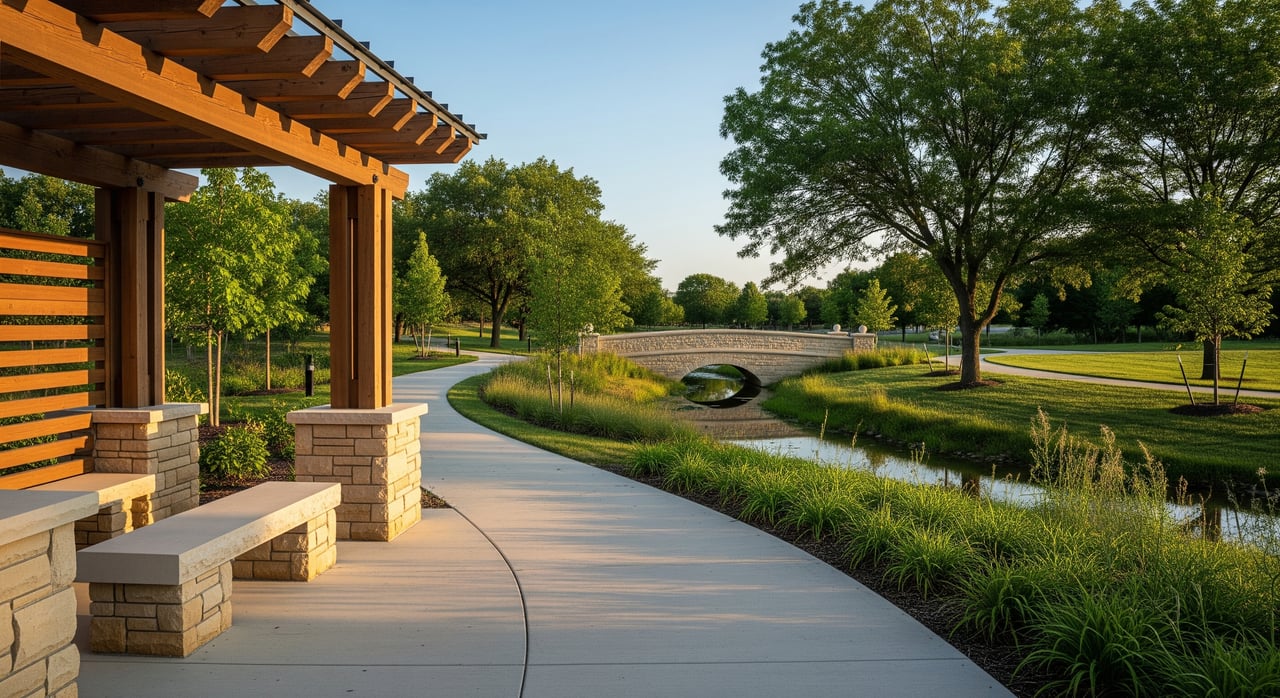
Leawood Parks and Trails Guide for Home Buyers
December 18, 2025
December 18, 2025
Looking at homes in Leawood and trying to picture your weekend routine? Parks, trails and neighborhood gathering spots shape daily life, from morning jogs to after‑school playtime. If you want easy access to green space, the right map and a few smart checks can make your decision much clearer. In this guide, you’ll learn how Leawood organizes its park system, where to find official maps, what amenities to expect, and how to evaluate park proximity for your lifestyle. Let’s dive in.
Leawood’s park network is a partnership of public and private providers. The City of Leawood Parks and Recreation department plans and maintains neighborhood and community parks, playgrounds, courts and many events. For current park rules, reservations and program updates, use the official City of Leawood Parks and Recreation pages.
You will also see county and regional partners shaping the bigger picture. Johnson County agencies manage some facilities and help connect greenways across city lines. To understand countywide amenities and any cross‑jurisdiction projects that touch Leawood, browse Johnson County resources.
Regional planning groups coordinate trail funding and connectivity across the metro. The Mid‑America Regional Council maintains plans that show how local paths fit into a broader network. For regional trail context and planning maps, check MARC’s pages.
Many neighborhoods in Leawood also offer private HOA amenities such as pools, tennis or pickleball courts and walking paths. These usually require membership and may limit access to residents and guests. Always confirm rules and fees with the HOA.
Leawood participates in a regional trail network that links neighborhoods to parks, schools and nearby cities. You will encounter a few common trail types:
Many major paths are accessible for a wide range of users, and weekend use can be busy during warm months. For trail overviews and user experiences, explore TrailLink’s descriptions. For a regional view of how routes connect beyond Leawood, review MARC’s regional trail planning maps.
While park features vary by site, you can expect a consistent mix across Leawood and nearby suburbs:
For current park hours, shelter reservations and event calendars, use the official City of Leawood Parks and Recreation website.
Proximity matters. A 5 to 15 minute walk to a park or trail can change your daily rhythm. When you tour a home, look for continuous sidewalks, safe street crossings and direct trail access points. A short walk often beats a short drive, especially for families juggling nap times or quick evening outings.
Use this quick access audit during showings:
Being near well‑maintained parks and connected greenways generally supports marketability. Buyers value everyday access to outdoor space, and neighborhoods with visible investment in parks tend to show strong demand. That said, the type of park and activity level matters. Homes next to sports fields or event sites may experience more weekend traffic and activity.
Before you write an offer, ask about:
A few strategic questions can help you balance convenience with privacy.
Leawood’s greenways often follow creeks and stormwater easements. These areas offer scenic paths and natural buffers, but they can come with floodplain considerations or seasonal closures after heavy rain. If a property sits near a creek or linear park, verify flood status early.
Understanding these factors upfront helps you plan improvements and insurance with confidence.
Many Leawood subdivisions maintain private green spaces, pools and courts. These can be great daily conveniences, but access is usually limited to members and guests and may require fobs or passes. Before you rely on a private pool or trail, confirm:
HOA amenities can complement nearby public parks, especially for year‑round fitness and social events.
City parks are not just about swings and fields. You will find concerts, holiday activities, youth sports and community classes that bring neighbors together. Schedules change seasonally. For official calendars, facility reservations and updates, go to the City of Leawood Parks and Recreation website. Countywide initiatives and trail connections are often covered by Johnson County and highlighted in local news coverage as projects move forward.
If you enjoy an active calendar, look for park hubs with pavilions and larger parking lots. If you prefer quieter surroundings, focus on smaller neighborhood parks with limited parking and fewer programmed events.
Use authoritative sources for the most accurate information:
Bookmark these links so you can cross‑check amenities while you tour neighborhoods.
Use this step‑by‑step list during your next tour.
Choosing a home is about more than bedrooms and baths. It is about how you live day to day. Our team pairs neighborhood insight with practical diligence so you can buy with confidence. We help you:
If you are weighing two great options in Leawood, we will help you compare the outdoor experience as carefully as the home itself. Ready to start? Connect with Nancy Kirk Matthew for local guidance tailored to your move.
Stay up to date on the latest real estate trends.



Kirk Home & Land true advocacy and full-service resources that markedly result in each client accomplishing their real estate goals. Their warm and trusted Midwest values and attributes shine through, and it is truly their joy to ultimately fulfill their client's request throughout the transaction.