Your Guide to Leawood Neighborhoods and Schools for Families
March 24, 2026
March 24, 2026
Choosing a Leawood neighborhood often starts with one question: which school district serves this address? If you are relocating or moving up, that single detail can shape your short list, price range, and long-term resale potential. You want the right fit for daily life, from lot size and commute to feeder patterns that stay consistent over time. This guide walks you through how Leawood’s neighborhoods align with Blue Valley and Shawnee Mission schools, what to expect north versus south, and the practical steps to verify any address. Let’s dive in.
Leawood is served by two public districts: Blue Valley USD 229 and Shawnee Mission USD 512. The City of Leawood notes that both districts cover the city, and the lines do not follow a simple north-south border. Boundaries vary by street, so you must confirm zoning by specific address to avoid surprises.
Helpful links for lookups:
Many locals use a simple mental map: “Old Leawood” to the north and “newer Leawood” to the south. That shorthand reflects differences in housing age, lot style, and the mix of school attendance zones.
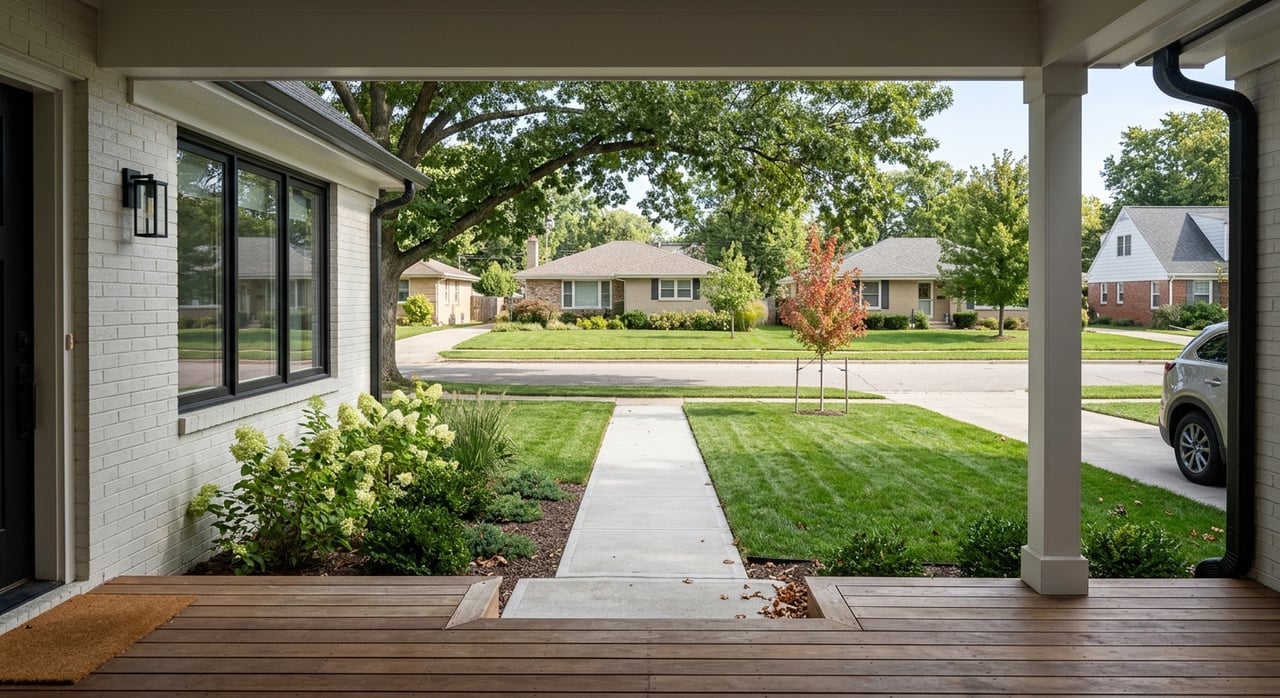
North Leawood, commonly the area north of I‑435 and toward State Line and Mission Road, features mid‑20th‑century ranch and traditional homes with mature trees. Lots here are established and often larger than you see in dense suburban tracts. Many buyers appreciate the character and proximity to long‑standing retail and community hubs. Portions of this area are zoned to Shawnee Mission; zoning is parcel‑specific, so always verify by address.
Typical buyer paths include renovating a mid‑century home or purchasing for lot value and rebuilding. Prices vary widely street by street, with some sub‑million opportunities and some luxury sales depending on location, lot size, and renovation scope.
Representative neighborhoods to explore: Old Leawood (commonly associated with the 66206 area), Leawood Estates, Patrician Woods, and Verona Gardens.
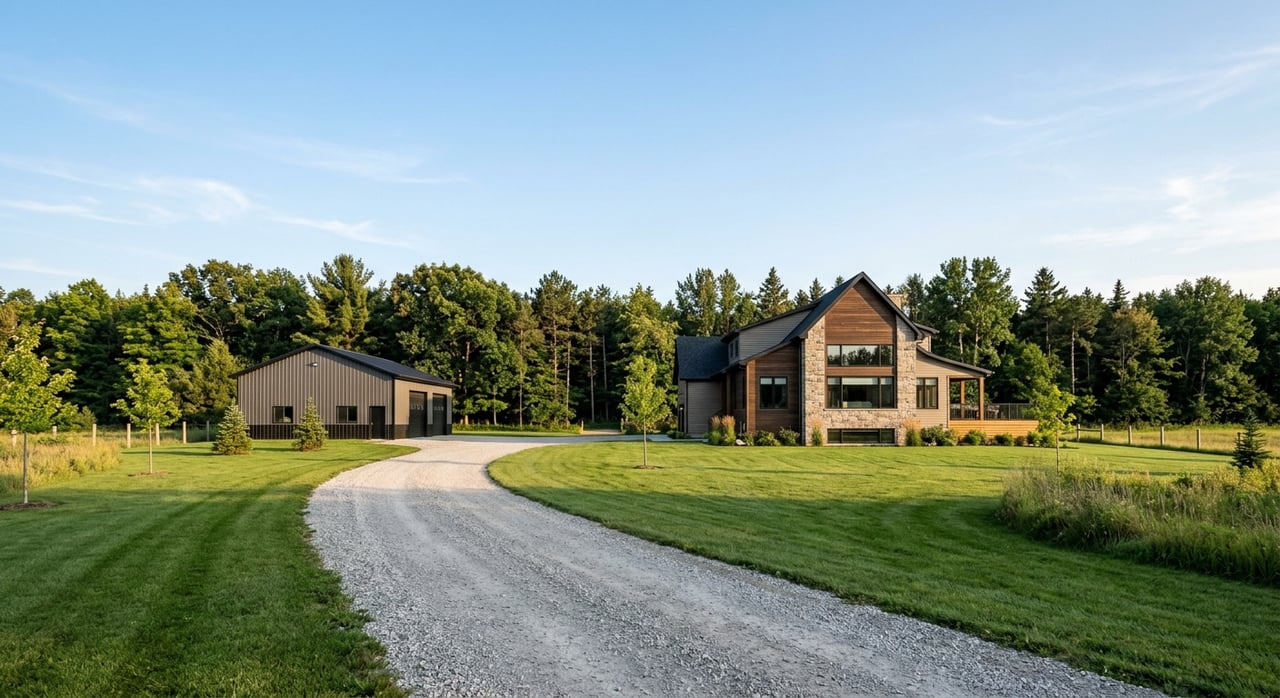
South Leawood, including areas around 119th Street to 135th Street near Mission Road and State Line, showcases planned subdivisions and estate communities. Many homes were built from the 1990s onward and emphasize private amenities and larger homes on sizable lots. Most of these neighborhoods are served by Blue Valley. Families often value the consistent feeder patterns and nearby shopping and dining.
Representative neighborhoods to explore: Hallbrook Farms, Tomahawk Creek Estates, Hazelwood, and Leawood South subdivisions in the 119th–135th corridors.
Blue Valley serves much of south Leawood and the wider south Johnson County area. The district is frequently recognized in state-level discussions and guides many families’ home searches.
Addresses in south Leawood commonly align with Blue Valley feeders. Leawood Elementary and Mission Trail Elementary are local examples, and Leawood Middle and Prairie Star Middle are part of common feeder paths in the area. Many Leawood addresses feed to Blue Valley North at the high school level, though this varies by exact street. Use the district’s feeder information to confirm the full elementary to middle to high school sequence for your specific address.
Blue Valley publishes transportation eligibility thresholds and outlines transfer policies on the district site. If you are relocating, review the rules on free busing based on distance, and understand that any transfer request depends on capacity and district approval. Treat a transfer as a possibility, not a guarantee, when planning a purchase.
Shawnee Mission covers parts of north Leawood along with many established Johnson County communities. It includes a broad set of schools with attendance areas that vary by street.
Brookwood Elementary is a Shawnee Mission school located in Leawood and is a common assignment in home searches. Other Shawnee Mission attendance paths for Leawood addresses vary, so confirm with the district’s boundary tools. Always check elementary, middle, and high school together to see the full feeder path for your address.
Shawnee Mission publishes enrollment and transfer procedures on its website. Transfers can be possible depending on capacity and policy, but you should not rely on a future transfer when deciding on a neighborhood. Boundaries can be revised over time, so build verification into your purchase timeline.
Recent snapshots show that the typical Leawood home value was in the mid‑to‑high six‑figure range in late 2025, with one widely followed index reporting about $750,900. South Leawood estate neighborhoods often list above $1 million, while north Leawood shows a wide spectrum of prices due to lot size, renovation level, and micro‑location.
Inventory in Leawood tends to be tighter than in many nearby suburbs. If you are moving up, assume qualified competition for the most sought‑after streets and attendance zones. Solid preparation makes a difference: bring a clear budget, a mortgage pre‑approval, and a ranked set of priorities for schools, lot size, commute, and HOA preferences.
Decades of research in housing economics show that measured differences in school quality can influence home prices. In many markets, homes inside higher‑performing attendance zones sell at a premium, though the size of that premium varies by location and by how quality is measured.
In Leawood, high and steady demand in Blue Valley attendance areas often shows up in pricing for south Leawood neighborhoods. Shawnee Mission includes many well‑performing schools, and its attendance areas vary across older suburbs, which leads buyers to weigh neighborhood character, lot size, and specific feeder paths when they compare options.
Two practical takeaways if you want school‑driven resilience in resale value:
Use this list while you tour and before you write an offer:
Use these brief notes as a starting map. Always verify school assignment by address before deciding.
If you are comparing Leawood options, start with schools and lots, then narrow by commute and amenities. Always verify by address using district tools, and save written confirmation during escrow. From there, weigh renovation potential in Old Leawood against turnkey convenience in south Leawood subdivisions, and keep an eye on feeder stability for long‑term value.
Have questions about a specific address or how its feeder path might impact resale? Reach out to Nancy Kirk Matthew for a local, data‑aware strategy before you start touring.
Stay up to date on the latest real estate trends.
Kirk Home & Land true advocacy and full-service resources that markedly result in each client accomplishing their real estate goals. Their warm and trusted Midwest values and attributes shine through, and it is truly their joy to ultimately fulfill their client's request throughout the transaction.