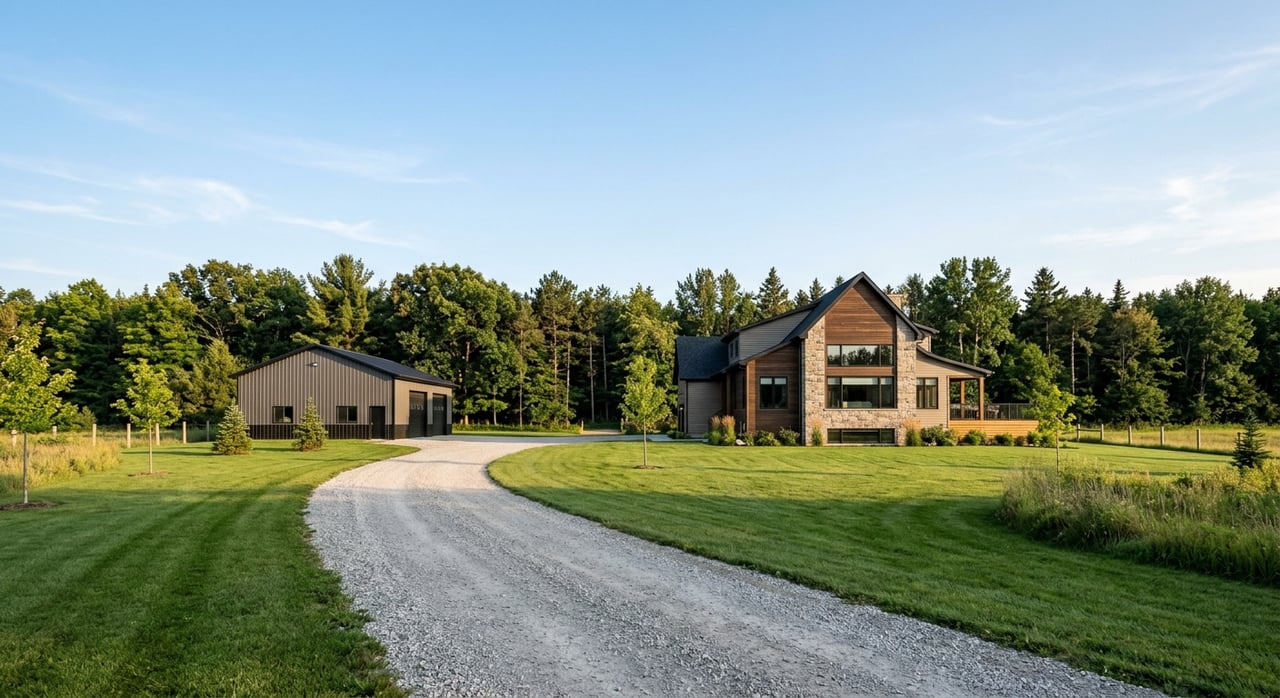
What to Know About Small Acreage Living Near Gardner
May 28, 2026
May 28, 2026
Dreaming about a home with a little more elbow room near Gardner? Small acreage can offer privacy, space for a garden, room for an outbuilding, and a different pace of daily life. But before you fall in love with a property, it helps to know that acreage living often comes with extra rules, maintenance, and costs. If you understand the basics up front, you can shop smarter and avoid surprises later. Let’s dive in.
Near Gardner, “small acreage” can mean very different things depending on where the property sits and how it is zoned. A parcel might be an estate-style lot, a rural homesite, or a larger tract with agricultural potential. The acreage number matters, but zoning often matters more.
Gardner’s zoning includes an Agricultural District and a Residential Estate district. In unincorporated Johnson County, zoning can include RN-1 lots with a 1-acre minimum and RUR land with agricultural uses and single-family dwellings at a 10-acre minimum. That is why two properties with similar acreage can allow very different uses.
One of the first things to confirm is whether the property is inside Gardner city limits or in unincorporated Johnson County. That single detail affects which zoning and building rules apply. It can also shape what you can build, how permits work, and what approvals you may need.
Johnson County states that its unincorporated rules apply outside city limits, while cities have their own zoning and building requirements. If a property falls within Gardner, you need to verify the city’s standards. If it is outside the city, county rules generally control.
It is easy to assume that owning one, two, or five acres means you can do whatever you want with the land. In reality, zoning determines the practical use of the property. That includes whether certain outbuildings, agricultural uses, or access improvements may be allowed.
For example, Johnson County’s RUR district is described as rural and includes agricultural uses with a 10-acre minimum lot size. In practice, that makes it the clearest fit for buyers with more livestock-oriented plans. Smaller estate-style lots are usually a better fit for uses like gardens, limited poultry where allowed, and storage or workshop space that stays within local rules.
Many acreage properties rely on private wells, and that means you take on more responsibility as an owner. Kansas notes that private well owners are responsible for water quality, and well location and construction matter. A well near possible pollution sources, such as pasture or feedlot activity, deserves close attention.
Annual testing is a smart habit for private well owners. Extra attention is also recommended after flooding, repairs, unusual taste or odor, or any concern about animal or sewage contamination. When you are evaluating a property, ask when the well was last tested and what the testing covered.
Johnson County also publishes well-related fees that can affect your budget. Current line items include a $40 well screening fee, a $65 well installation permit, an $80 well or cistern minor repair permit, and a $60 decommissioning fee. Those numbers may seem modest on their own, but they are still part of the total cost of acreage ownership.
If a property has a septic system, treat it as a major due diligence item. Septic systems are not set-it-and-forget-it features. They need maintenance, inspections, and sometimes repairs that can be expensive.
Johnson County says a permit is required in most cases for septic work. The current fee schedule lists $480 for a private sewage treatment system installation permit, $430 for a significant alteration, $260 for a residential sewage system resale inspection, $80 for a minor repair permit, and $60 to decommission a tank.
Ongoing maintenance also matters. Routine septic pumping every three to five years typically costs about $250 to $500. By comparison, repairing or replacing a malfunctioning conventional system can cost roughly $5,000 to $15,000.
For many buyers near Gardner, septic timing is not just a technical detail. It can affect your transaction schedule and your peace of mind after closing. That is why septic paperwork should be part of your early review, not an afterthought.
Johnson County requires a septic resale inspection within the first 60 days after a purchase in covered areas. Once the system passes and the sale is final, the county issues a System Use Permit to the new owner. If you are buying acreage, ask whether a current inspection is available and whether the system’s status is already documented.
A long driveway can look like part of the charm of country living, but access also comes with rules. In unincorporated Johnson County, a new driveway entrance or even a replacement entrance requires a permit. The current entrance permit fee is $75, and the county performs both initial and final inspections.
This matters if you want to improve access, add a second entrance, or change the layout after you buy. Johnson County also states that unauthorized entrances can be removed and fines may be imposed. It is a good reminder that even simple-looking improvements may need approval first.
Acreage buyers often picture a detached garage, workshop, barn, or storage building. That can be part of the appeal, but the approval process varies by location. This is another area where city-versus-county rules can make a big difference.
In unincorporated Johnson County, any residential detached building over 200 square feet requires a permit. All detached buildings are also subject to setback rules. The county says building permits are typically issued in about 7 to 10 business days, but some accessory buildings may also require a public hearing process with a pre-application meeting, posted sign, mailed notices to nearby owners, and a 14-day protest period.
Within Gardner, standards may be more restrictive in some residential settings. A 2024 planning packet referenced accessory-building standards that included limits such as one accessory building per lot and a size cap tied to lot area in some contexts. Because those standards can vary by zoning district, parcel-specific verification is important before you assume a shop, barn, or oversized garage will work.
Fencing can seem simple, but it sits at the intersection of state law and local rules. Kansas law includes fence provisions and recognizes barbed-wire fences as legal fences, while also laying out partition-fence rules and dispute procedures. Local standards still matter for placement and zoning details.
Johnson County says a fence under 7 feet does not need a building permit. Even so, buyers and owners should still check with the Planning Department about placement and district-specific requirements. If fencing is part of your plan, confirm the details before installation.
Small acreage can be a great lifestyle fit, but it usually comes with a different cost structure than a typical in-town lot. Some costs are one-time permit expenses, while others are recurring maintenance items. Building a realistic budget early helps you compare properties more accurately.
Here are some common line items to keep in mind:
The bigger takeaway is simple. Acreage ownership often means more systems, more maintenance, and more permit-related planning than many buyers expect.
Acreage homes can be wonderful, but the right questions make all the difference. Before you move forward, focus on facts that affect use, cost, and future flexibility. A little homework now can save you time and money later.
Use this checklist as a starting point:
Small acreage near Gardner can be a great fit if you want more space and more flexibility than a standard subdivision lot. The key is understanding that land use, infrastructure, and permits shape what daily life will actually look like. What seems simple on a listing sheet can become more complex once you dig into zoning, septic, wells, and access.
That is where careful local guidance can help. When you understand the rules before you buy, you can focus on properties that truly fit your goals instead of chasing land that may not work the way you hoped.
If you are thinking about buying or selling small acreage near Gardner, Nancy Kirk Matthew can help you evaluate the details that matter and move forward with confidence.
Stay up to date on the latest real estate trends.



Kirk Home & Land true advocacy and full-service resources that markedly result in each client accomplishing their real estate goals. Their warm and trusted Midwest values and attributes shine through, and it is truly their joy to ultimately fulfill their client's request throughout the transaction.