Living in Spring Hill KS: Homes, Parks, and Daily Life
May 21, 2026
May 21, 2026
If you want more space without feeling far from the Kansas City metro, Spring Hill may already be on your shortlist. It is one of those places where steady growth, local amenities, and a small-town feel all come together in a way that appeals to many buyers. If you are wondering what daily life really feels like here, this guide will walk you through the basics of living in Spring Hill. Let’s dive in.
Spring Hill is a growing community in south Johnson County that also extends into Miami County. The city describes itself as a place with a hometown feel and modern conveniences, with access to the metro via U.S. 169. That mix is a big part of its appeal.
The growth here is real and easy to see. According to the latest Census QuickFacts, Spring Hill’s population reached 10,777 as of July 1, 2025, which is up 35.3% since 2020. The city has also noted that it has more than tripled in size since 2000.
For many buyers, that means you are looking at a community that is still evolving. You get an established local identity, but you also see new investment, added infrastructure, and ongoing development.
Life in Spring Hill tends to feel practical, comfortable, and community-oriented. You have access to basic services, local events, parks, and a growing mix of amenities, but the pace still feels more relaxed than many closer-in suburbs.
Census data offers a useful snapshot of who lives here and how. About 29.4% of residents are under 18, the average household has 2.76 people, and 76.8% of housing units are owner-occupied. Those numbers suggest a community with a strong base of long-term homeowners and households putting down roots.
Commute patterns also help shape daily life. The median commute to work is 27 minutes, which makes Spring Hill a workable option for many people who want room to spread out without taking on an extreme drive.
One of the easiest ways to get a feel for Spring Hill is to look at its parks. The city maintains seven parks: Aquatic Center Park, Blackhawk Park, Celia Dayton Park, City Park, Friendship Park, Legacy Park, and Veterans Park.
These spaces support a range of everyday activities, including walking, playground time, swimming, and fishing. That gives residents simple ways to enjoy the outdoors close to home, whether you are looking for an active afternoon or an easy weekend routine.
Legacy Park stands out if you like a more natural setting. The city describes it as a 16.31-acre undeveloped park near 207th and Barker that offers a slice of the rural outdoors within city limits. That detail says a lot about Spring Hill’s character, especially for buyers who want a suburban address with a little more breathing room.
Spring Hill is not just expanding outward. It also has a historic core that helps give the city a distinct identity.
Historic Main Street has been designated by the Kansas State Historical Society as Johnson County’s first historic district. The city works to preserve the area’s historic appearance, which helps maintain a sense of continuity even as the broader community grows.
That local identity shows up in public events too. First Fridays bring live entertainment, food trucks, and vendors to Historic Downtown Spring Hill from May through August. For residents, events like that create easy ways to connect with the community and enjoy the local atmosphere.
Spring Hill is served by Spring Hill USD 230. The district reports a 16:1 student-teacher ratio and a 93.3% graduation rate, and it includes multiple elementary, middle, and high school campuses.
The district has also shared updates showing classroom additions underway at three elementary schools, along with major HVAC work at Spring Hill Elementary, Spring Hill Middle School, and Spring Hill Early Learning Academy. That points to continued enrollment growth and ongoing facility investment.
Beyond the school district, the city highlights several core community partners. These include Fire District #1 of Johnson County, the Spring Hill Chamber of Commerce, the Spring Hill Library, the Spring Hill Recreation Commission, and USD 230. The recreation commission provides year-round activities and programs for district residents, which adds another layer of day-to-day convenience.
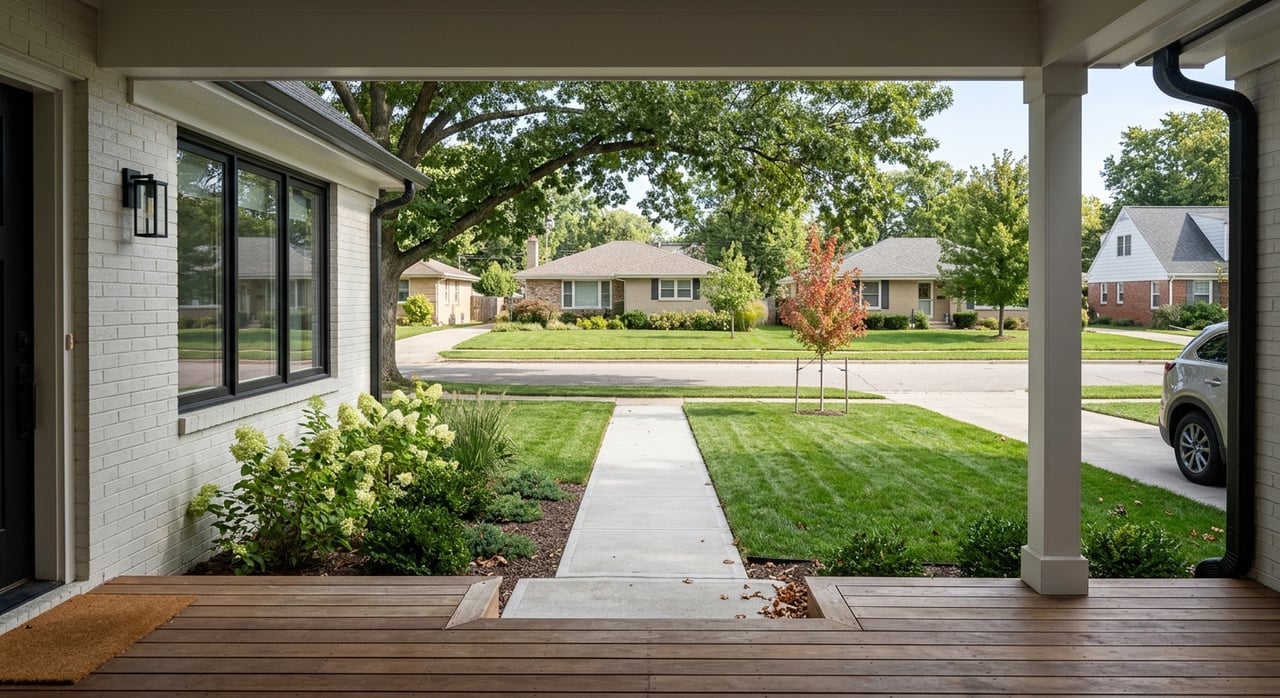
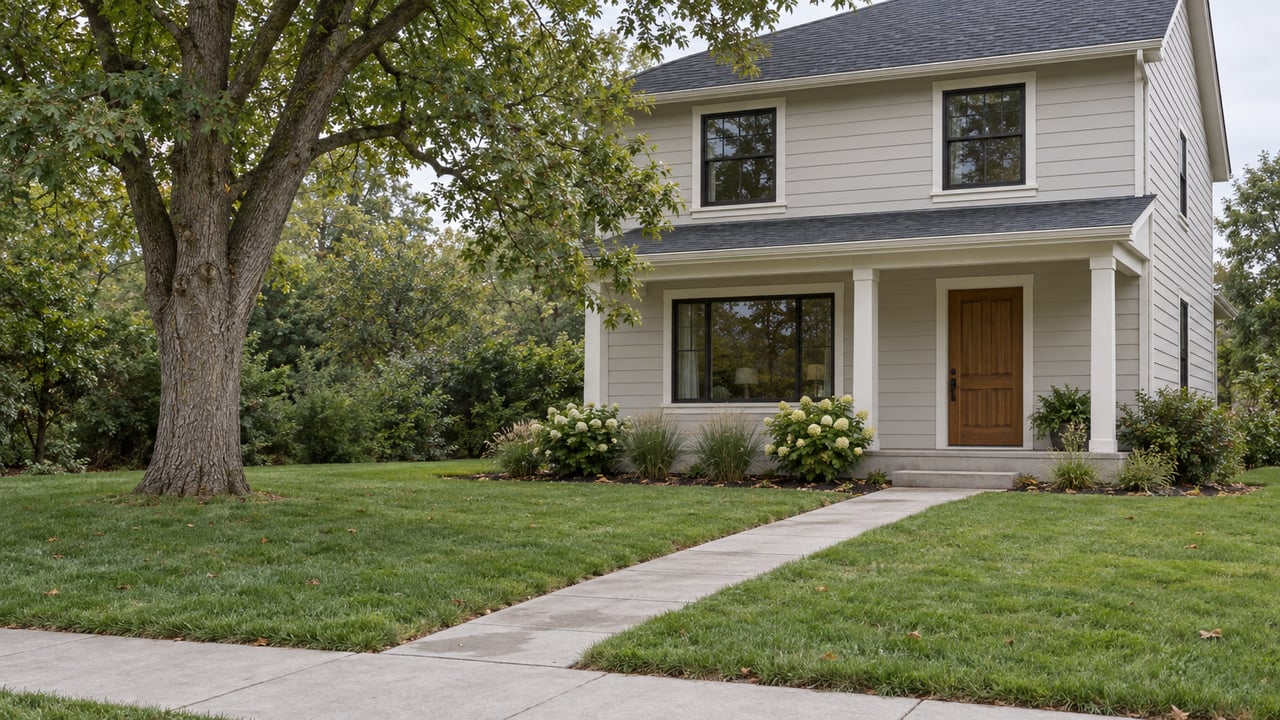
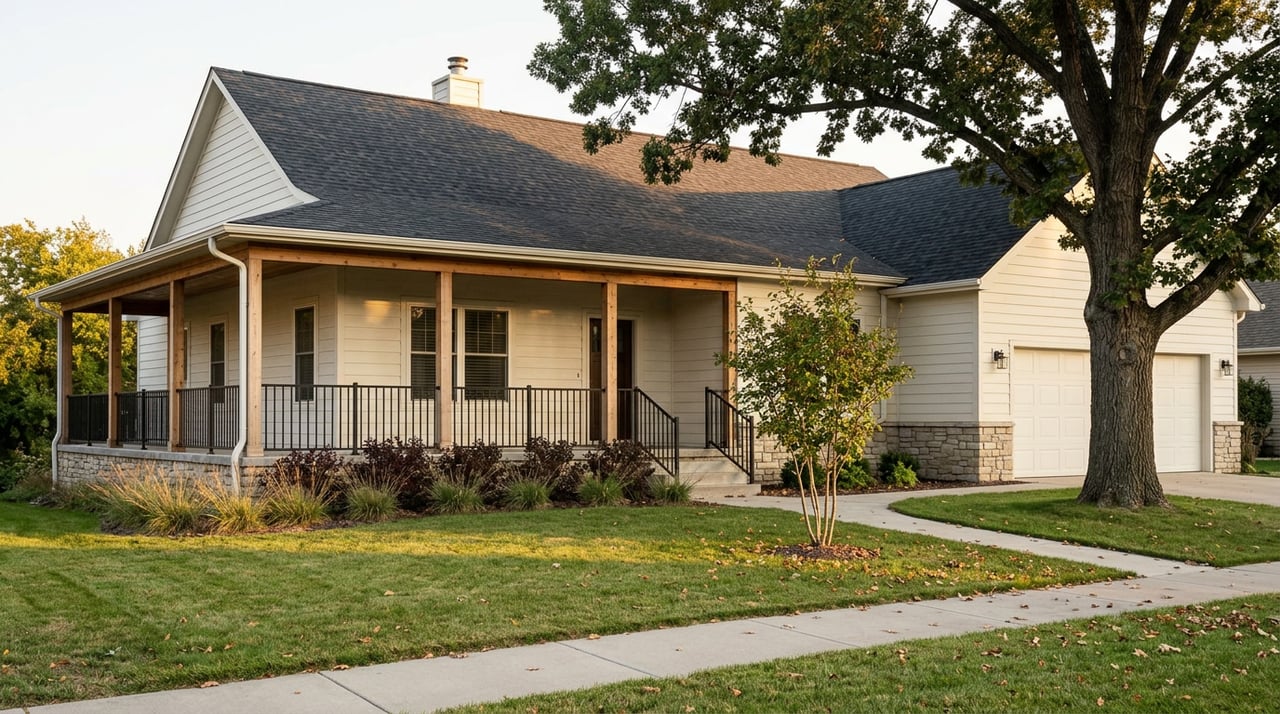
The housing mix in Spring Hill is one of the reasons it attracts a broad range of buyers. Many homes fit the suburban, owner-occupied pattern that buyers expect in southern Johnson County, but there is also a stronger rural-residential element than you may find in more built-out communities.
Census QuickFacts shows a median owner-occupied home value of $357,800, a median gross rent of $1,108, and a homeownership rate of 76.8%. Those numbers suggest a market with a strong ownership base and a price point that may appeal to buyers comparing southern Johnson County options.
Spring Hill also has local rules and zoning that reflect its blend of suburban and rural character. City permit information addresses things like accessory and agricultural buildings, rear-yard pools, chickens, and beekeeping in certain zoning districts. The zoning ordinance also includes an R-R Rural Residential district intended for low-density neighborhoods that retain rural character and allow agriculture and single-family uses.
For some buyers, that flexibility is a major plus. If you are looking for acreage, a semi-rural setting, or simply a property type that feels less typical than an inner-ring suburb, Spring Hill may offer more options worth exploring.
Transportation in Spring Hill is largely highway-based. The city emphasizes access via U.S. 169, which is a key reason many residents see it as a practical south-metro location.
There is also ongoing transportation planning tied to growth. KDOT is revising the K-7 Corridor Management Plan for the stretch between the I-35/K-7 interchange in Olathe and 215th Street in Spring Hill. The city has also worked with KDOT and Miami County on a 223rd Street transportation plan because of increased planned and committed development in that corridor.
For you as a buyer, that means location decisions here often come down to route preferences, workplace location, and how much space you want relative to commute time. Spring Hill can be a strong fit if you want that balance.
Spring Hill can work for different types of buyers, but a few patterns stand out clearly in the local data.
If you like the idea of a community with historic character, local events, and a more relaxed pace, Spring Hill has a lot to offer. Historic downtown, city parks, and a growing civic network all support that small-town atmosphere.
With a relatively young population, a high share of owner-occupied homes, multiple parks, and continued school facility investment, Spring Hill makes sense for buyers who want a community built for everyday routines and long-term living.
With U.S. 169 access and a 27-minute median commute, Spring Hill can appeal to people who work elsewhere in the metro but want more home and land for the move.
This is one area where Spring Hill stands out. Its rural-residential zoning framework and city regulations around certain agricultural-style uses make it worth a closer look if you want more flexibility than a standard suburban neighborhood usually provides.
Spring Hill’s growth is part of its appeal, but it also means you should approach your search with a clear plan. New development, changing infrastructure, and a range of property types can create more choices, but they also make local guidance especially valuable.
It helps to think through what matters most to you. Are you prioritizing commute routes, proximity to parks and downtown, newer subdivisions, or rural-residential possibilities? The right fit in Spring Hill often depends on how you want to live day to day.
If you are weighing Spring Hill against other southern Johnson County communities, it is helpful to compare more than price alone. The feel of the area, the pace of growth, and the property options available can make a real difference in your long-term satisfaction.
Spring Hill offers a compelling mix of access, growth, and local character. If you are looking for a place that blends suburban convenience with a little more open space and a grounded community feel, it is a city worth serious consideration.
If you are thinking about buying or selling in Spring Hill, Nancy Kirk Matthew can help you evaluate neighborhoods, acreage opportunities, and residential options with clear local insight.
Stay up to date on the latest real estate trends.



Kirk Home & Land true advocacy and full-service resources that markedly result in each client accomplishing their real estate goals. Their warm and trusted Midwest values and attributes shine through, and it is truly their joy to ultimately fulfill their client's request throughout the transaction.