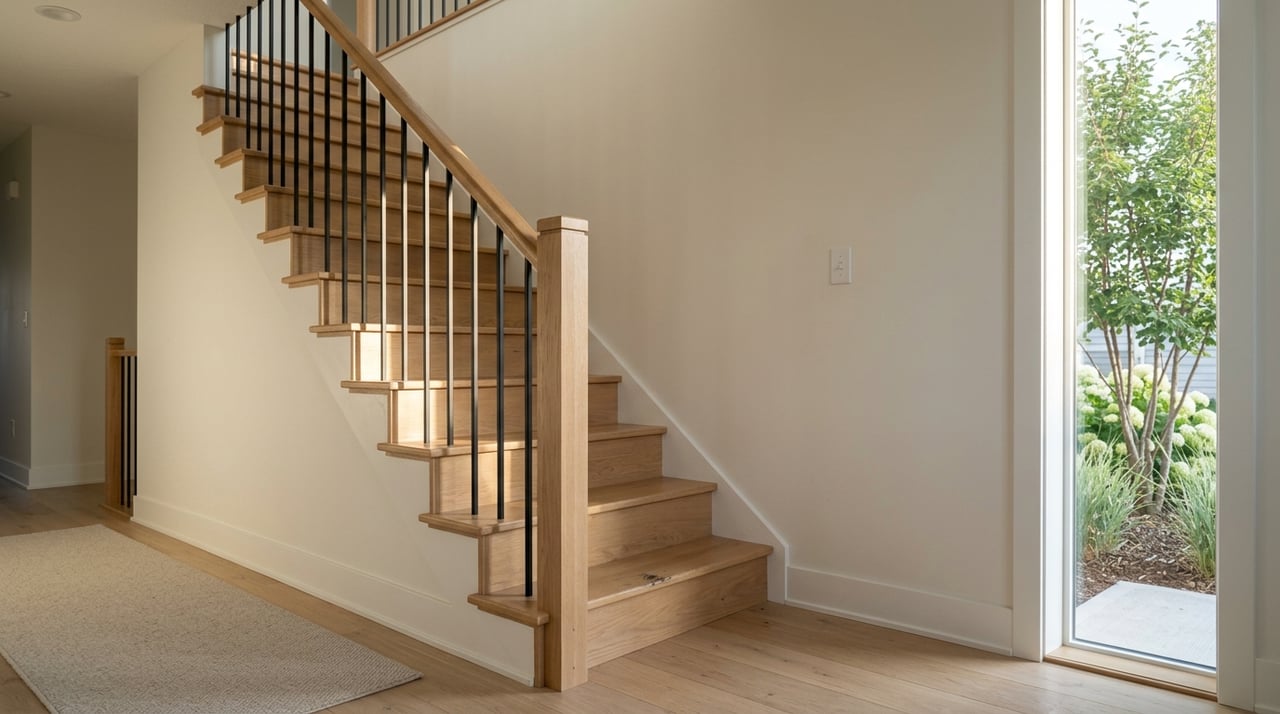
Buying New Construction in Olathe: What to Ask First
July 16, 2026
July 16, 2026
Buying a brand-new home in Olathe can feel like the best of both worlds. You get fresh finishes, modern systems, and the chance to choose a lot and layout that fits your life. But new construction also comes with moving parts that are easy to miss, from builder contracts to nearby future development. If you want to buy with more confidence and fewer surprises, this guide will walk you through what matters most in Olathe. Let’s dive in.
Olathe continues to see steady development activity, which helps explain why so many buyers are looking at new construction. The city’s 2025 development report says Olathe issued 3,585 building permits and added 635 new residential units. In the first quarter of 2026, the city also approved three single-family subdivisions totaling 82 lots.
That momentum matters if you are comparing communities, builders, and timelines. Olathe’s planning division says the city is focused on high-quality growth while preserving existing neighborhoods, and the Elevate Olathe Comprehensive Plan was adopted on April 21, 2026 to guide growth over the next 15 years. For you as a buyer, that means today’s decision should include both the home itself and the broader path of future growth around it.
One of the biggest mistakes buyers make is assuming the model home reflects the advertised base price. In many communities, the base price may not include everything you saw during your tour. That can change your total cost quickly.
Before you sign anything, ask for a written breakdown of what is standard and what counts as an upgrade. This is especially important for items that affect your move-in budget right away, not just design preferences.
You should also ask whether builder incentives affect the true price. A builder may offer credits or financing perks, but those offers can shift the overall numbers in ways that are not obvious at first glance.
In new construction, the lot can be just as important as the floor plan. A home may look ideal today, but what gets built nearby over the next few years can affect traffic, noise, access, and your day-to-day experience.
Olathe recommends using its Planning and Development Map and zoning layers to check pending and recently completed cases. The city also notes that builder name, home cost, and business tenants are not always available in the application packet until the public hearing stage. In other words, you should not assume the model home tells the full story of what is coming around it.
This is especially important on edge lots, lots backing to open land, or lots near major streets. Olathe says zoning can be verified online or by phone at no charge, which makes it easier to confirm details before you commit.
If you are buying early in a subdivision’s life cycle, some surrounding land may still be going through approvals. That can affect timing, nearby uses, and what the area feels like once the community is fully built out.
Olathe says a rezoning process generally takes around 12 weeks and includes a neighborhood meeting, Planning Commission hearing, and City Council action. That timeline is one reason local review matters so much when you are considering a home in a fast-changing area.
Edge-of-city properties can bring another layer of complexity. Olathe says annexation does not automatically require existing septic properties to connect to sewer, but future development under three acres will require sewer connection. After annexation, residential properties must also receive city solid waste and recycling service, and building permits must come from the city rather than the county.
A new-construction contract is not just a shorter version of a resale contract. Builder paperwork often includes different deadlines, deposit terms, construction allowances, and language about delays.
One smart question to ask early is what happens if the move-in date slips. Delays can happen for many reasons, including scheduling, inspections, materials, or final approvals. Knowing ahead of time how the contract handles timing can help you plan your lease, sale, or move with fewer headaches.
The Consumer Financial Protection Bureau advises buyers to ask when the earnest-money deposit is refundable. It also notes that the safest purchase structure is one that is contingent on financing and a satisfactory inspection.
Many builders have a preferred lender, and sometimes that lender may offer an incentive. That can be worth reviewing, but it should not stop you from comparing other options.
The Consumer Financial Protection Bureau says buyers should shop multiple lenders, get preapproval, and compare the total monthly payment and closing costs before choosing a home. It also says you do not have to use the builder’s preferred lender.
When you review financing options, look at:
This side-by-side comparison helps you see whether a builder incentive is truly saving you money or simply shifting costs around.
It is easy to assume a brand-new home will be problem-free. In reality, a home can be newly built and still have items that deserve a second look before closing.
The Consumer Financial Protection Bureau explains that an appraisal is not the same as a home inspection. That is why an independent inspection still matters, even on a new build.
In Olathe, contractors working within the city must be licensed by the city. For new residential permits, the city typically requires sealed plans, a site plan, a statement of special inspections, and a pre-HERS energy compliance report. Those requirements are important, but they do not replace your own inspection process as a buyer.
The purchase price is only part of the story. New construction can come with added expenses before closing and after move-in, especially if key features are not included in the builder package.
The Consumer Financial Protection Bureau advises buyers to budget for the down payment, closing costs, moving expenses, furniture, repairs, property taxes, insurance, and HOA dues. For many move-up buyers, this all-in budget is where the real resale-versus-new decision gets made.
Olathe also lists development-side fees that can influence builder pricing. In 2026, the city lists water and sewer system development fees of $11,885 for a standard 5/8-inch residential meter, plus a $120 sewer service connection fee. The city also lists a residential park excise tax of $520 per dwelling unit.
Include room for:
A builder may give you an estimated completion date, but new construction timelines can move. That is especially true when weather, labor schedules, material availability, inspections, or final approvals affect the build.
Olathe says residential plan review is typically 5 business days. The city also says inspections are scheduled as available and are often next business day, and a certificate of occupancy is issued only after all final approvals pass. A temporary certificate of occupancy may be available for a fee if life-safety items are complete.
For buyers, that means your move-in date may depend on more than the builder’s internal schedule. If you need to coordinate a home sale, lease ending, or school-year timing, it helps to plan with some flexibility.
When you buy into a growing area, infrastructure projects can shape convenience over time. In some cases, that means better connections and less congestion. In others, it can mean nearby construction, shifting traffic patterns, or changes to access.
Olathe’s infrastructure planning emphasizes resilient growth, and current projects such as the 119th Street extension and Woodland Road improvements are intended to improve regional connections and reduce congestion. If you are considering a home near a major corridor, it is worth reviewing how current and future road work may affect your route and surroundings.
New construction is not just about picking cabinets and countertops. In Olathe, it can involve zoning layers, future land use, subdivision timing, annexation questions, permit processes, and infrastructure planning.
That is where local guidance can make a real difference. A local agent who follows planning agendas, zoning maps, and development reports can help you spot issues that are not visible during a model-home visit. When you have the right information early, you can make a clearer decision about the lot, the builder, the contract, and the long-term fit.
If you are thinking about buying new construction in Olathe, Nancy Kirk Matthew can help you look beyond the brochure and evaluate the details that matter most.
Stay up to date on the latest real estate trends.
Kirk Home & Land true advocacy and full-service resources that markedly result in each client accomplishing their real estate goals. Their warm and trusted Midwest values and attributes shine through, and it is truly their joy to ultimately fulfill their client's request throughout the transaction.