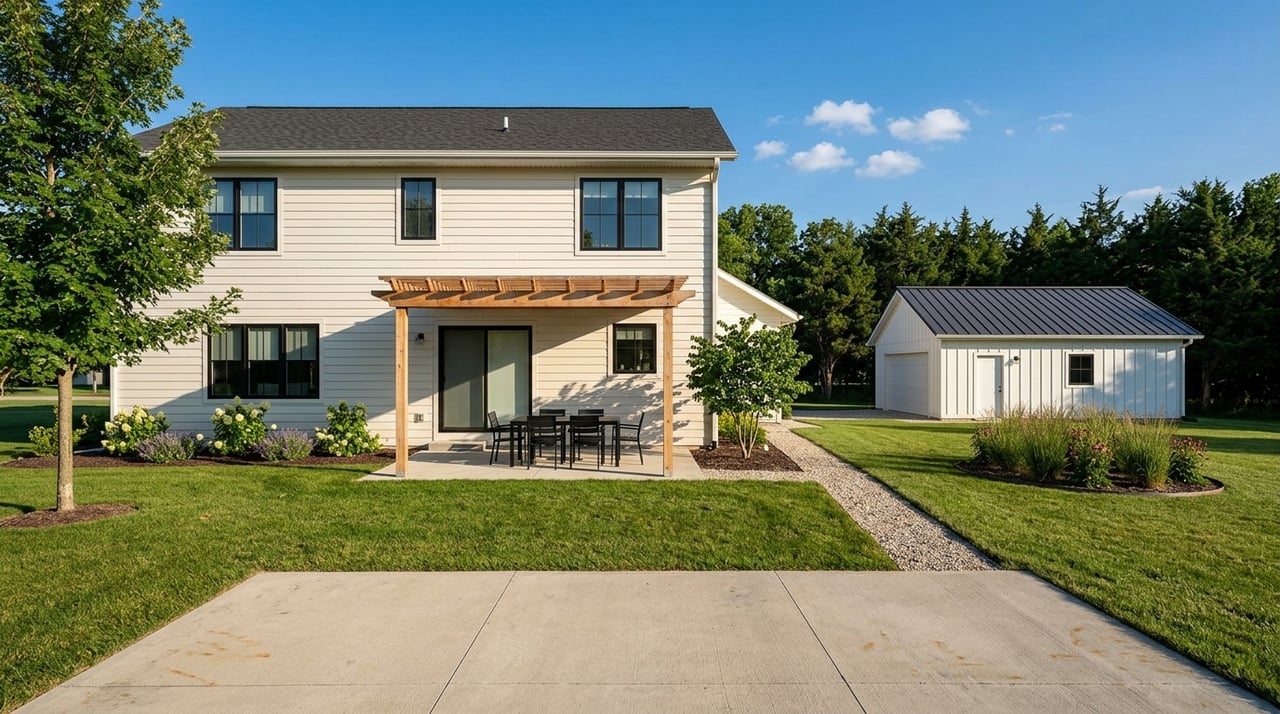
How to Sell a Gardner Home With Land and Outdoor Space
June 25, 2026
June 25, 2026
Wondering whether extra outdoor space will help your Gardner home stand out? It can, but only if buyers can quickly see how that space adds to everyday living. When your lot, patio, shed, workshop, or yard is presented clearly and honestly, it becomes more than extra square footage. It becomes a reason to book a showing. Let’s dive in.
Gardner is growing quickly, and that growth shapes what buyers notice. Census QuickFacts estimates Gardner’s population at 25,836 as of July 1, 2024, up 10.7% from April 1, 2020. The city also highlights Gardner as the fastest-growing city in the Kansas City metro among cities with more than 20,000 residents.
That kind of momentum can be good news when you sell, but it does not mean every feature sells itself. In Redfin’s March 2026 snapshot, Gardner’s median sale price was $384,900, median days on market were 21, and median sale price per square foot was $216. Buyers are active, but your home still needs smart pricing, strong presentation, and a clear story.
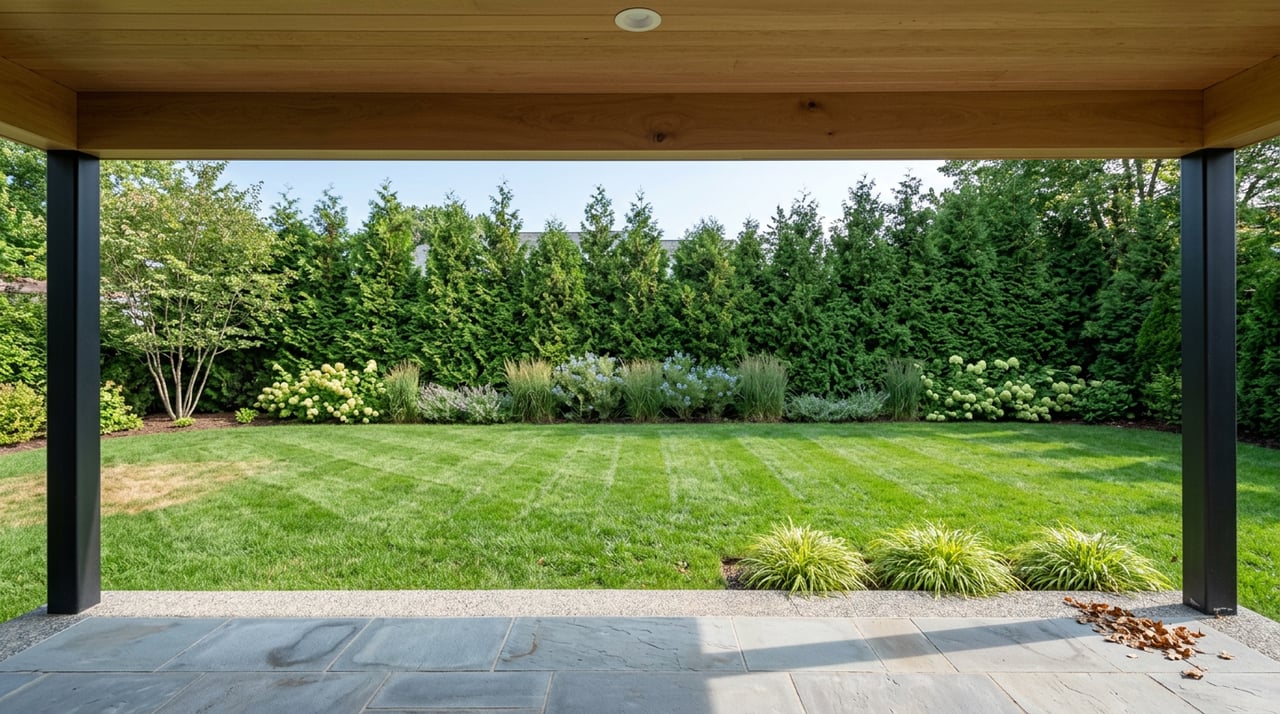
Extra outdoor space is most valuable when buyers can picture how they would use it. A large lot by itself may not create urgency, but a yard that feels functional often does. Think in terms of room to entertain, garden, store equipment, relax, or spread out.
Gardner’s demographics support that message. Census data shows 31.3% of residents are under 18, which suggests many buyers may pay close attention to how a yard works day to day. Features like open play space, fencing, patios, and organized storage can matter just as much as the overall lot size.
Before you think about photos or pricing, make sure the exterior looks intentional. Gardner’s code-enforcement page lists tall grass and weeds, trash and debris, inoperable vehicles, land maintenance, and structure maintenance among the city’s top violations. Buyers may not know the code details, but they will notice signs of neglect right away.
A clean exterior also fits Gardner’s public image. The city highlights its Tree City USA status, so a cared-for landscape feels consistent with what many buyers expect when they shop in the area. You do not need an elaborate makeover, but you do need a yard that looks clean, maintained, and ready to enjoy.
For most sellers, the outdoor prep list is straightforward:
These steps matter because buyers often form their opinion online before they ever visit in person. According to NAR’s 2025 home-staging report, common seller recommendations include decluttering, deep cleaning, and improving curb appeal.
If your Gardner property includes a detached garage, shed, workshop, or another accessory structure, do not treat it like an afterthought. That space should feel like an extension of the home’s usefulness. A tidy workshop, clean storage shed, or well-kept outbuilding can help buyers understand the property’s flexibility.
The key is to stage the structure with purpose. If it is for storage, make it look organized. If it works well as hobby space or equipment storage, present it that way. Buyers should see value, not deferred maintenance.
Outdoor improvements can raise questions, especially if you have added a structure over time. In Gardner, the city says accessory buildings greater than 120 square feet require a building permit. Small sheds that are 120 square feet or less and under 10 feet tall are limited to one per lot and must be behind the rear building line and at least five feet from the rear or side property line.
The city also notes that detached buildings over 120 square feet must be behind the front building line and meet size and setback rules. Accessory buildings should also match the principal structure’s materials and style. If your property is outside city limits in unincorporated Johnson County, the rules can differ.
In unincorporated Johnson County, county guidance says a residential accessory building of 200 square feet or more requires a permit, and any size structure is still subject to setback requirements. The county also notes that driveway access and septic verification may matter when a new structure is added. If your property has acreage or larger outdoor improvements, gathering those records before listing can help avoid confusion later.
Your outdoor space needs to be obvious from the first few images. NAR reports that 81% of buyers rated listing photos as the most useful feature during their online home search. That means strong visuals are not optional, especially when outdoor space is one of your top selling points.
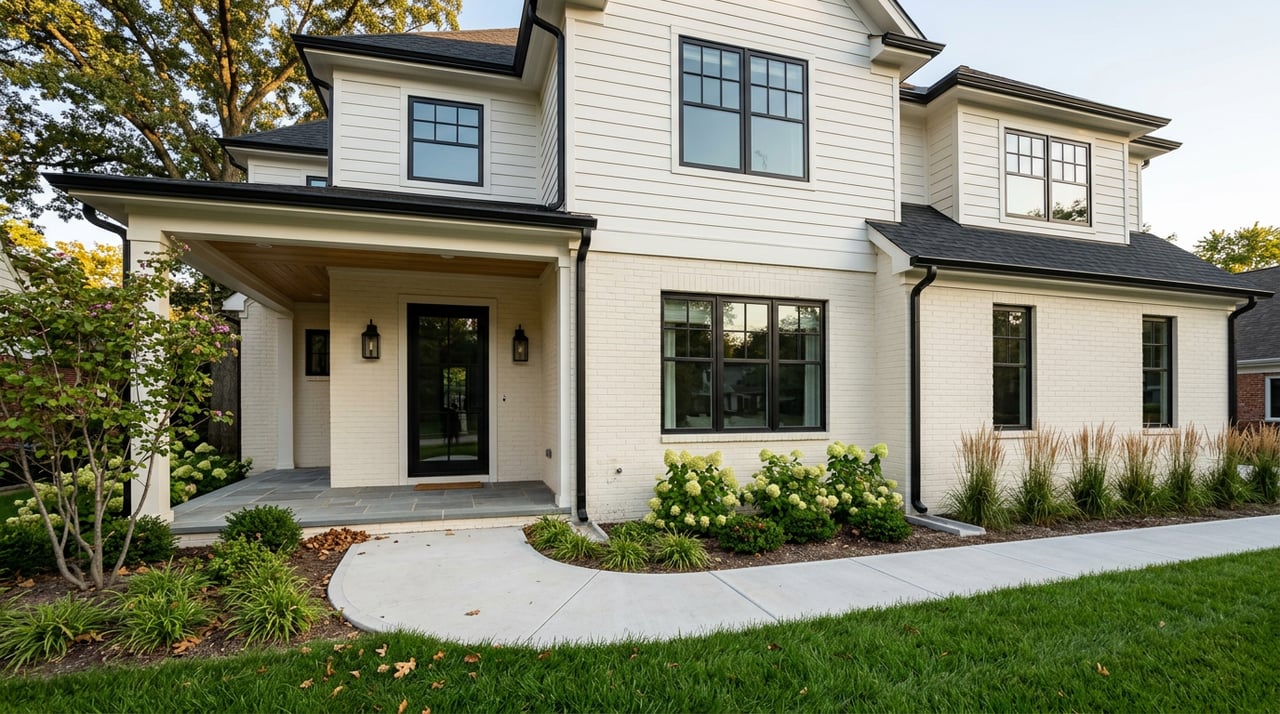
The lead image matters most. For many Gardner homes with extra outdoor space, the first photo should be the best exterior or lifestyle view rather than a standard interior shot. If the yard, deck, or setting is special, buyers should see that right away.
A smart listing usually shows the home in a sequence that makes sense:
This approach helps buyers understand how the property lives. It also keeps the outdoor space from getting buried at the end of the listing, where it may be overlooked.
Good marketing should make your home look its best, but it should still feel true to life. NAR has warned that buyers can feel misled when listing images overpromise. If a buyer arrives expecting a polished retreat and finds unfinished projects instead, trust can fade quickly.
That is why preparation matters as much as photography. Clean up first, then photograph the home as it truly presents. Honest, high-quality images tend to attract more serious interest and better showings.
One of the biggest mistakes sellers make is assuming extra land automatically means a much higher price. In reality, buyers usually respond best when outdoor space is supported by condition, usability, and clear comparable evidence. A large lot can add appeal, but it still needs context.
In Gardner’s March 2026 market snapshot, homes were moving in a median of 21 days. That tells you the market has activity, but not that buyers will overlook vague pricing logic. If your property has extra yard space, a detached building, or a more specialized layout, your pricing strategy should explain the value in a way buyers can understand.
Sometimes a property needs a little work before it is ready for the market. If your fence line is worn, landscaping is patchy, or an outbuilding needs cosmetic attention, tackling those projects before launch can strengthen the listing. Small improvements can make the entire property feel more finished.
For sellers who want to improve presentation before going live, Compass Concierge can front the cost of certain home improvement services with zero due until closing. Compass says the program can cover services such as landscaping, interior and exterior painting, fencing, staging, moving and storage, and other pre-listing improvements. For a home where outdoor space is a major selling point, that can be especially useful.
A home with extra outdoor space often benefits from thoughtful rollout. If the property has features that need explanation, such as acreage, an outbuilding, or specialized storage, it can help to refine the presentation before broad distribution. That gives you time to make sure the photos, pricing, and property details all work together.
Compass promotes a 3-Phased Price Discovery and Marketing Strategy that includes Private Exclusive and Coming Soon phases before the listing goes fully active on the MLS or public portals. Compass reported that, in its internal analysis of 2024 sell-side transactions, pre-marketed homes were accepted 20% faster on average, had fewer price drops, and closed at a 2.9% higher average price. While every property is different, a measured launch can be helpful when the home’s outdoor value needs to be positioned clearly.
Outdoor-space listings often sound simple, but they can come with practical questions. Was the shed permitted? Does the building meet setback rules? Is the driveway setup appropriate for the property? These details may not define every sale, but they can affect buyer confidence.
That is where local, regulatory-aware guidance can make a difference. When you understand how Gardner and Johnson County rules apply to your property, you can market the outdoor space with more clarity and fewer surprises. For sellers, that means stronger preparation and a smoother path from listing to closing.
If you are thinking about selling a Gardner home with extra outdoor space, the goal is not just to mention the lot size. The goal is to show buyers how the space lives, prove that it has been cared for, and present it with the right strategy from day one. To talk through your property and your options, connect with Nancy Kirk Matthew.
Stay up to date on the latest real estate trends.
Kirk Home & Land true advocacy and full-service resources that markedly result in each client accomplishing their real estate goals. Their warm and trusted Midwest values and attributes shine through, and it is truly their joy to ultimately fulfill their client's request throughout the transaction.