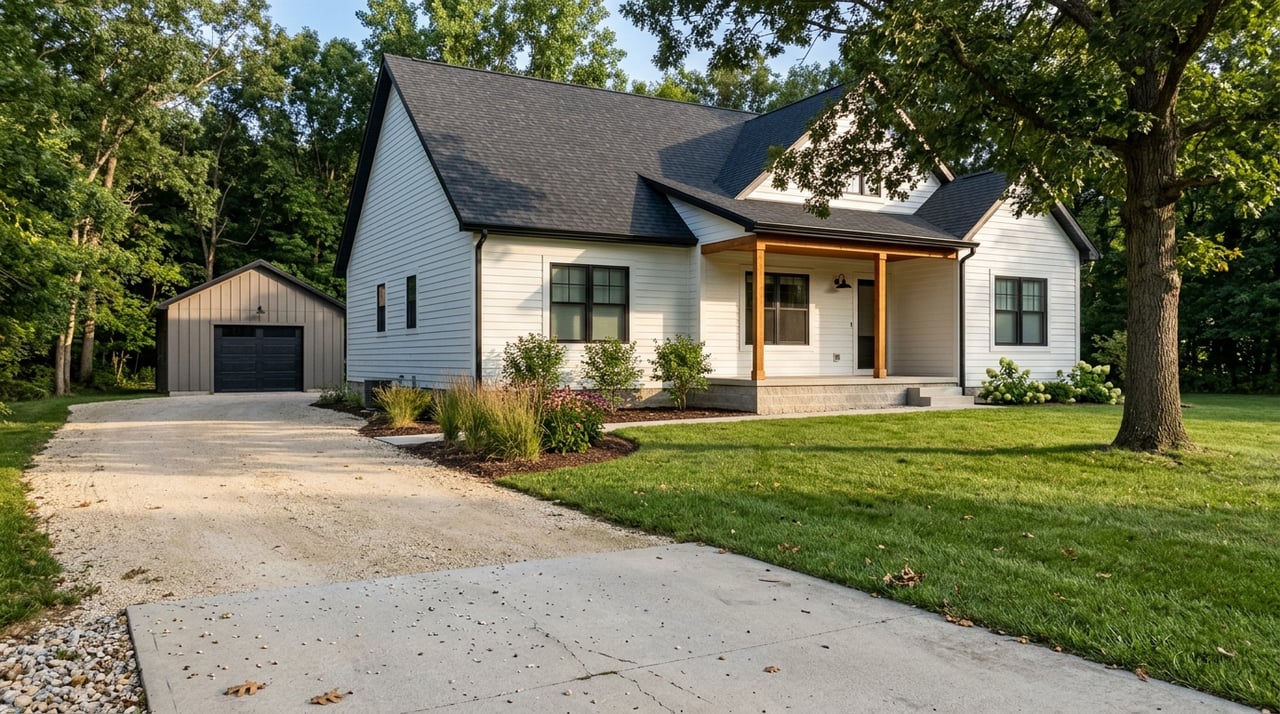
Gardner KS Acreage Homes: Neighborhood Lots or Land?
June 18, 2026
June 18, 2026
If you are house hunting in Gardner, one of the biggest questions is simple: do you want a neighborhood home, extra land, or something in between? That choice shapes your day-to-day routine, upkeep, commute, and even which local rules apply to the property. In Gardner, buyers have more variety than many people expect, and understanding that variety can help you make a smarter move. Let’s dive in.
Gardner is not a one-style market. The city’s planning and engineering records show a broad mix of residential projects, including neighborhoods such as Tallgrass, Copper Springs, Prairie Trace Estates and Meadows, New Trails North, Tuscan Farms, Waverly Pointe, Symphony Farms phases, and Meadow Brook Acres 2.
That matters because it shows you are not limited to one type of home setting. In Gardner, you can find established neighborhoods, newer phases, and areas planned with a mix of housing types and densities. If you are trying to balance space, convenience, and budget, that range gives you real options.
Gardner is also growing. The U.S. Census Bureau estimated the city’s population at 25,836 as of July 1, 2024, which was up 10.7% from the 2020 census. For buyers, that kind of growth can support continued housing variety and ongoing infrastructure planning.
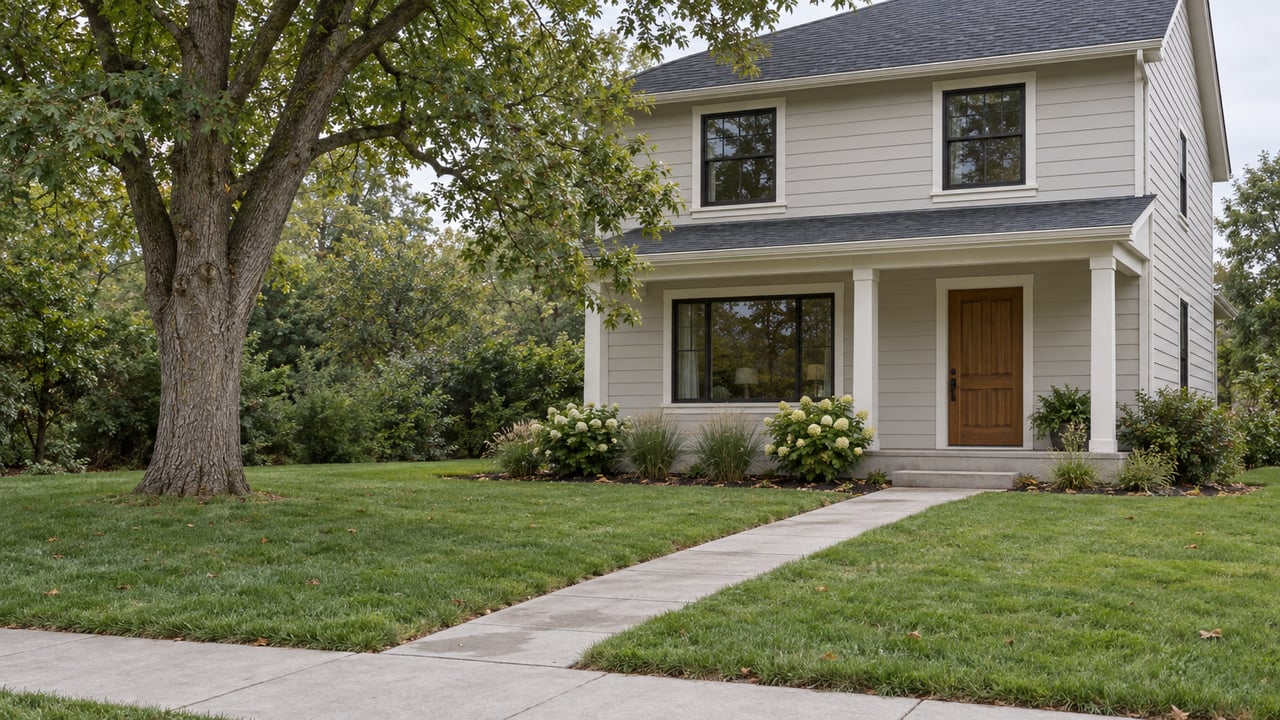
For many buyers, a neighborhood home offers the easiest path to daily convenience. In-town and subdivision living usually means a more standard lot size, nearby local streets, and easier access to parks, schools, and commercial areas.
Gardner’s planning activity supports that idea. City planning materials show a mix of traditional detached homes along with some projects that include attached or lower-maintenance housing options. That can be helpful if you want to stay in Gardner but prefer a home setup with less land to manage.
Some of the city’s denser projects also show how housing choice is expanding. Planning records for Tallgrass Apartments described a 43-acre, 596-unit apartment complex at Moonlight and University, while Tuscan Farms includes detached suburban houses, garden-apartment buildings, and row-house units. Even if you are focused on buying a house, this wider housing mix can affect how different parts of Gardner feel and grow over time.
Neighborhood homes often appeal to buyers who want:
That does not mean every neighborhood home is the same. Some areas are more established, while others are part of newer development patterns tied to Gardner’s goals for housing variety, street connectivity, trail access, and open space.
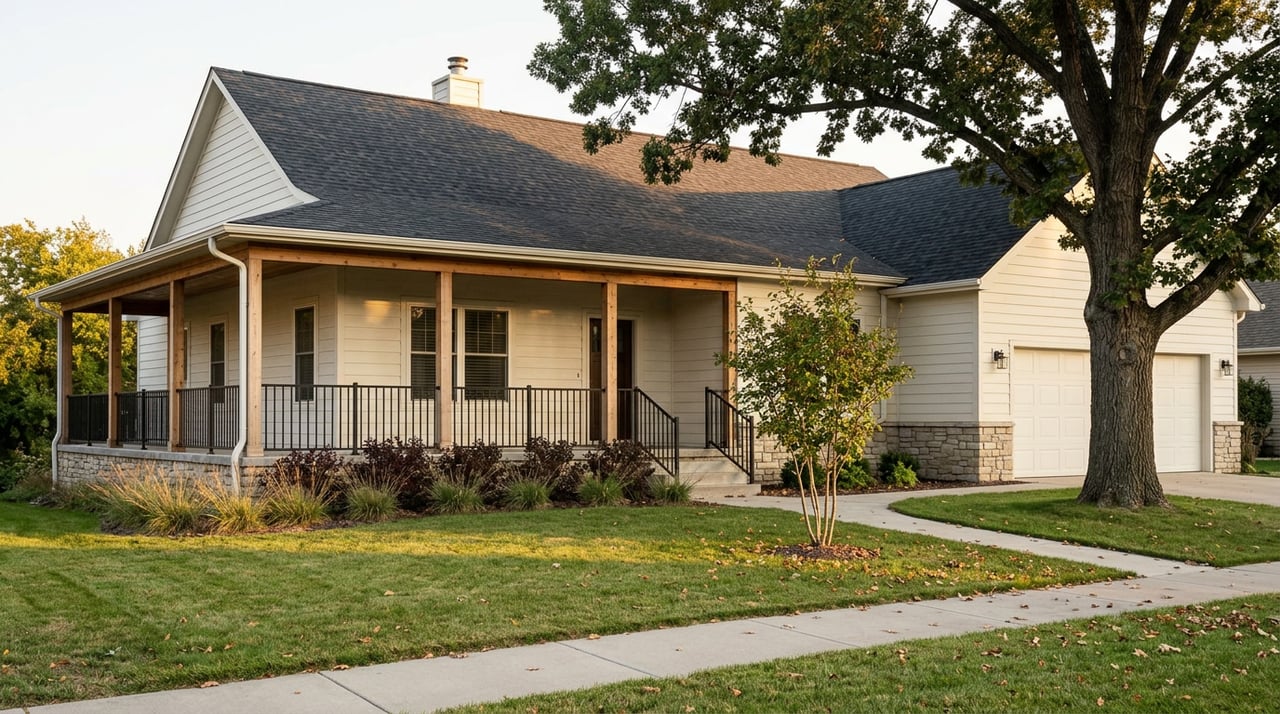
“Acreage in Gardner” can mean more than one thing. In practice, it may describe a larger lot near the city edge, a small-acreage tract in unincorporated Johnson County, or a more rural parcel farther from the city core.
The first thing to confirm is jurisdiction. Johnson County states that its zoning rules apply only in unincorporated areas, not inside incorporated cities like Gardner. That means two properties with similar size can operate under different rules depending on whether they sit inside city limits or in unincorporated county territory.
This is one of the most important details for buyers to sort out early. If you are comparing homes with land, the address alone does not tell the full story. You need to know which local authority governs the property before you make assumptions about use, permits, or future plans.
Johnson County zoning references several rural and low-density lot-size patterns in unincorporated areas, including:
These categories can produce very different property types and ownership experiences. A 1-acre or 2-acre setting may feel like a bridge between subdivision living and a rural property, while 10-acre zoning points to a much different scale of land ownership.
The right fit depends on how you want to live, not just how much land sounds appealing. Extra acreage can offer privacy, flexibility, and open space, but it usually comes with more responsibility.
A neighborhood lot may be the better match if you want a simpler routine. A small-acreage tract may work well if you want more elbow room without taking on a full rural property. A larger parcel may suit buyers who are comfortable thinking through zoning, upkeep, and long-term land use before they buy.
| Option | What It Often Offers | What To Think About |
|---|---|---|
| Neighborhood home | Easier upkeep, access to amenities, in-town convenience | Smaller lot, less separation between homes |
| Edge-of-town larger lot | More outdoor space with some city convenience | Rules may vary by location and jurisdiction |
| Small-acreage tract | More privacy and flexibility | More land care and permit questions |
| Larger rural parcel | Open space and a true land ownership feel | Narrower buyer pool and greater maintenance responsibility |
The future buyer pool matters too. Based on local zoning structure, larger and more unusual tracts typically appeal to a narrower set of future purchasers than a standard subdivision home. That does not make them a bad choice, but it does mean you should weigh resale alongside lifestyle.
When buyers look at homes on larger lots, they often focus first on the house, then the land. In this part of Johnson County, it is often smarter to reverse that and understand the land rules early.
If a property is inside Gardner city limits, city regulations and maintenance standards will likely shape what ownership looks like. Gardner’s code-enforcement page highlights tall grass and weeds, trash and debris, inoperable vehicles, and land and structure maintenance as frequent issues.
If a property is in unincorporated Johnson County, county zoning and permit processes apply instead. Johnson County’s building and zoning guidance indicates that accessory and agricultural buildings in unincorporated areas follow county permit processes, so barns, outbuildings, and land-disturbance work are important items to check before closing.
Before you move forward on a home with land, ask:
These questions can save you from surprises later. They also help you compare two properties more accurately, even when they look similar online.
Gardner’s location along I-35 is one of its strongest practical advantages. The city points to the I-35 and Gardner Road interchange upgrades as a major public improvement, and city bid documents show continuing work on corridors such as Moonlight Road between I-35 and Buffalo Trail.
For buyers, that means commute convenience is often more about the property’s exact position than the city name alone. A house closer to major arterials may support an easier daily drive, while a property farther out may offer more land but add time to routine trips.
That tradeoff is not right or wrong. It just needs to fit your priorities. If you want acreage, be sure you are measuring drive patterns as carefully as lot size.
Acreage is not the only way to enjoy outdoor space. Gardner has public amenities that can strengthen the appeal of in-town living, especially if you want recreation without taking care of several acres yourself.
Celebration Park, located at 32501 W. 159th St., includes trails. The adjacent middle-school campus sits next to a park with athletic fields, a lake, playgrounds, picnic shelters, and walking trails. For some buyers, access to these kinds of amenities can offset the need for a larger private lot.
This is one reason neighborhood homes remain competitive. You may give up some private land, but still gain convenient outdoor spaces as part of your day-to-day lifestyle.
If school attendance is part of your home search, verify boundaries directly before you buy. USD 231 says it serves Gardner and Edgerton, educates about 6,200 students, and includes seven elementary schools, three middle schools, and one high school.
The district also states that students must live within district boundaries to attend Gardner Edgerton schools. That makes boundary confirmation an important step, especially when you are looking at edge-of-town or unincorporated properties that may not be as obvious on first glance.
Boundary checks are especially important with acreage homes. A property can feel “like Gardner” in everyday life while still sitting outside a district boundary or outside city limits.
If you want straightforward upkeep, convenient access, and nearby amenities, a neighborhood home may be your strongest fit. If you want more room to spread out, a small-acreage property near Gardner could give you a middle-ground option.
If your goal is true land ownership, then zoning, jurisdiction, and permit questions deserve just as much attention as the home itself. In that case, working through the property details early can help you buy with more confidence and fewer surprises.
Gardner gives buyers a wider menu of choices than many people expect. The key is not finding the “best” type of property in general. It is finding the one that matches how you want to live now and what you want your property to do for you over time.
If you are weighing subdivision living against acreage near Gardner, Nancy Kirk Matthew can help you look at the details that matter, from lot type and location to local zoning context and long-term fit.
Stay up to date on the latest real estate trends.



Kirk Home & Land true advocacy and full-service resources that markedly result in each client accomplishing their real estate goals. Their warm and trusted Midwest values and attributes shine through, and it is truly their joy to ultimately fulfill their client's request throughout the transaction.